
Knee
PRP has been studied for symptoms associated with knee osteoarthritis and selected other conditions. Outcomes and guideline recommendations vary.
A Personalized Approach to Joint, Tendon & Ligament Care
Platelet-rich plasma (PRP) is prepared from a patient's own blood and has been studied for selected joint and soft-tissue conditions. Explore how PRP works, where research suggests potential benefits, and whether it may be appropriate as part of your individualized care plan.
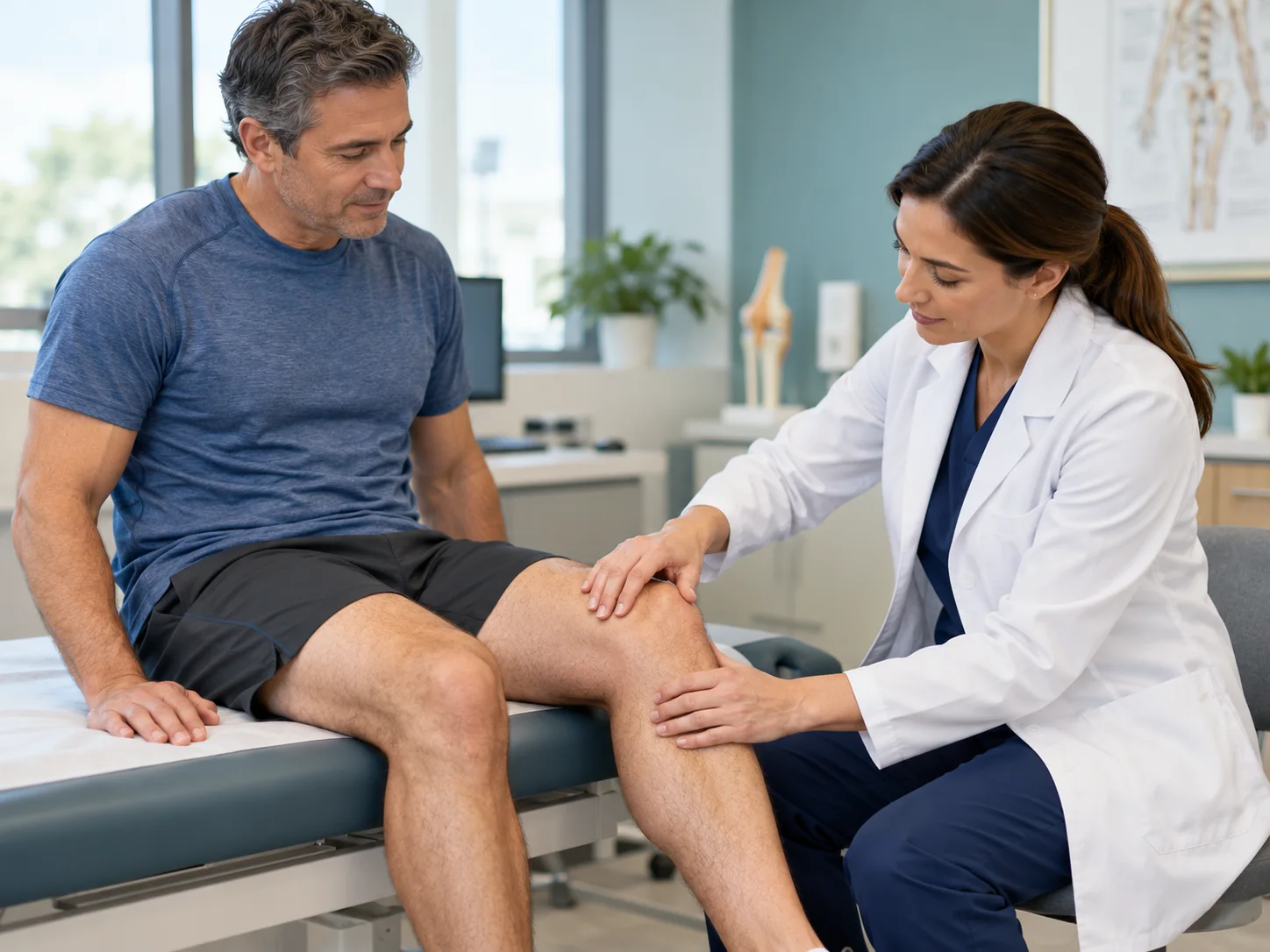
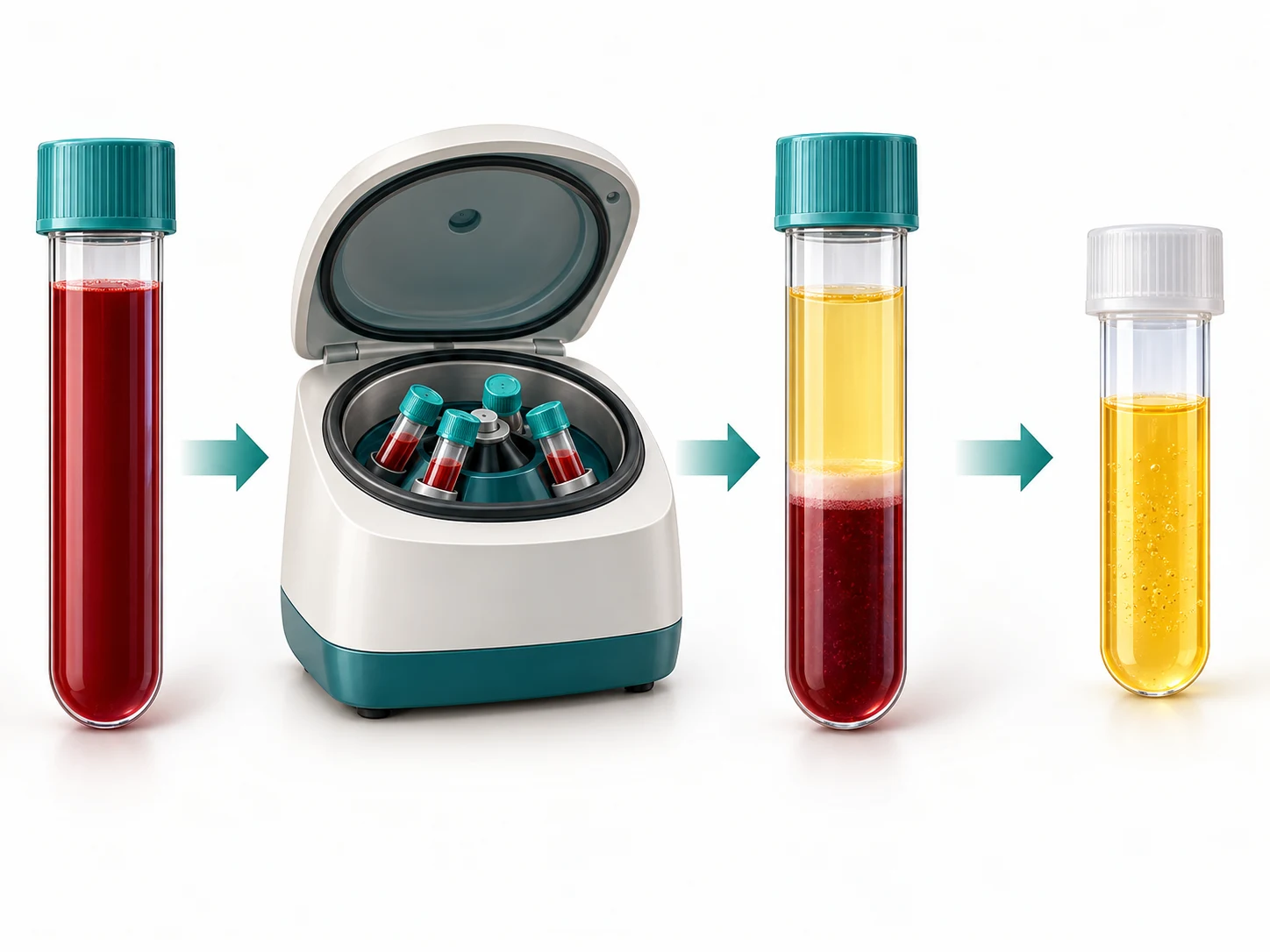
Platelet-rich plasma is a blood-derived preparation containing a higher concentration of platelets than the patient's starting whole-blood sample. Platelets contain signaling molecules involved in normal healing processes.
PRP is being studied for selected musculoskeletal conditions, but composition, preparation methods, treatment techniques, and clinical outcomes vary.
These are areas that may be evaluated or discussed—not guaranteed indications or evidence that PRP is effective for every condition.
PRP has been studied for symptoms associated with knee osteoarthritis and selected other conditions. Outcomes and guideline recommendations vary.
Selected tendon-related problems, including rotator cuff disorders, may be discussed, while recognizing that evidence is mixed.
PRP has been investigated for conditions such as lateral epicondylitis, commonly called tennis elbow.
Selected tendon conditions and joint-related concerns require diagnosis-specific, individualized evaluation.
PRP has been studied for Achilles tendinopathy, but high-quality trials have not consistently shown meaningful benefit.
Research has explored PRP for selected cases of plantar fasciopathy, with treatment decisions based on clinical context.
Joint pain can arise from cartilage, menisci, ligaments, tendons, synovial tissues, bone, or surrounding structures. A focused diagnosis matters because treatments are not interchangeable across causes.
PRP should not be presented as automatically rebuilding cartilage, repairing torn ligaments, or curing arthritis.
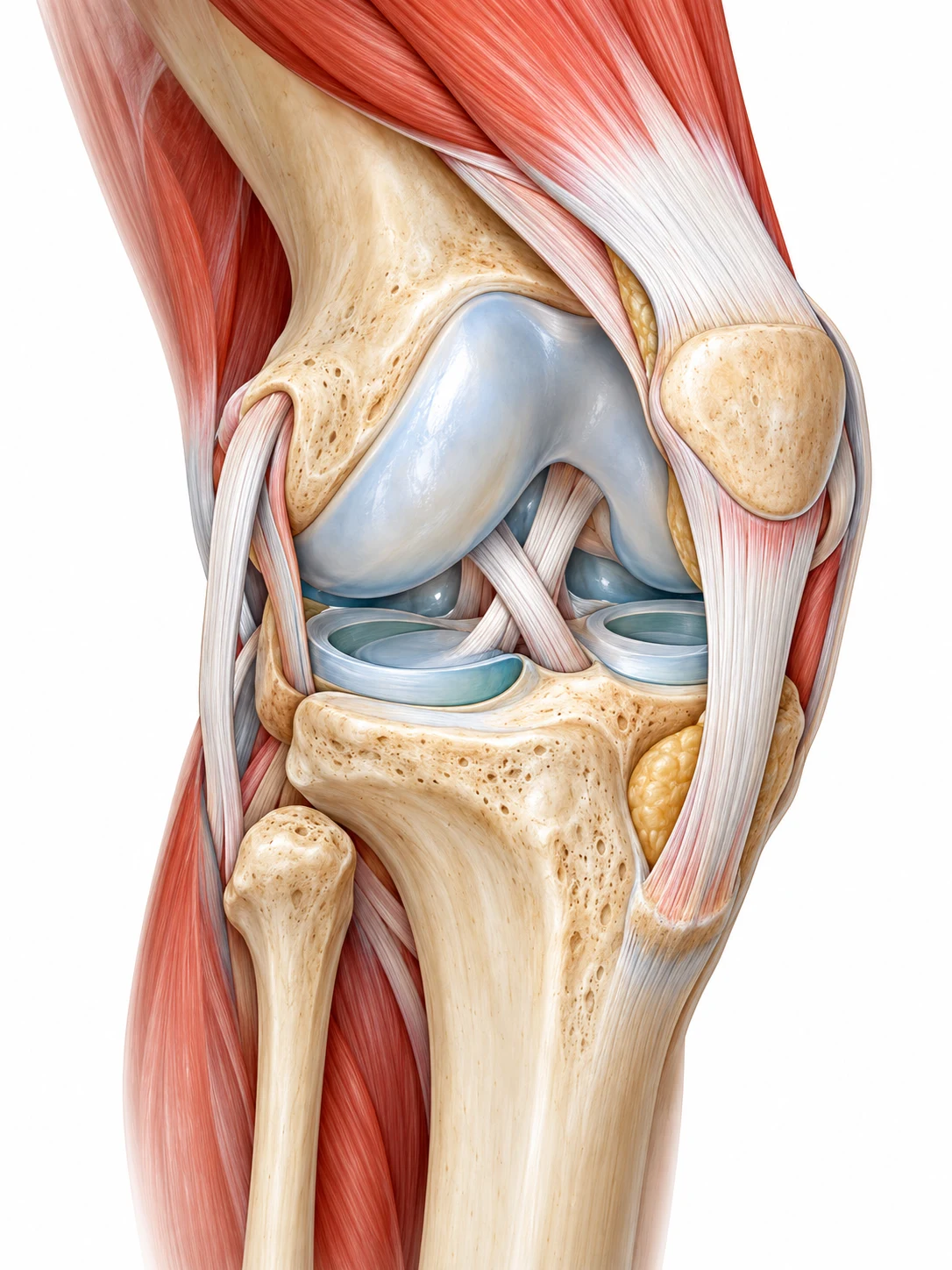
Some studies suggest improvements in pain and function for selected patients, but findings vary and clinical guidelines differ. PRP does not reverse arthritis or restore cartilage.
PRP has been investigated for several tendinopathies, including tennis elbow. Evidence remains condition-specific and inconsistent.
Diagnosis, severity, PRP preparation, technique, patient characteristics, and study methodology influence results. Optimal protocols are not established for every condition.
PRP is not a guaranteed treatment, and the strength of evidence varies substantially by musculoskeletal condition.
Review symptoms, history, current treatments, and functional limitations.
Perform a focused assessment and review imaging when clinically appropriate.
Discuss rehabilitation, medications, PRP evidence, risks, and alternatives.
Determine whether PRP is appropriate, available, and consistent with patient goals.
Monitor symptoms, function, and any treatment-related adverse effects.
Potential risks include temporary pain or soreness, swelling, bruising or bleeding, infection, injury to nearby tissues, temporary worsening of symptoms, and no meaningful clinical improvement.
Patients using anticoagulants or living with certain blood disorders, infections, or other relevant conditions require careful evaluation. PRP preparation and injection must follow appropriate sterile technique and clinical standards. Recovery depends on the treated area, diagnosis, and procedure performed; no fixed recovery or return-to-activity timeline can be guaranteed.
PRP injections use a platelet-enriched preparation made from a patient's blood for a clinician-selected application.
A blood sample is processed to separate components and obtain platelet-enriched plasma. Systems and resulting composition vary.
Evaluation may include selected joint, tendon, ligament, and fascia concerns, depending on diagnosis, evidence, and practice capabilities.
PRP has not been established as a treatment that regrows cartilage or reverses arthritis.
Evidence varies substantially by tendon condition and study. Some applications remain uncertain or unsupported by consistent high-quality results.
Discomfort varies by location, technique, and individual sensitivity. Temporary soreness or symptom worsening can occur.
No universal number applies. Recommendations depend on diagnosis, evidence, response, and clinician assessment.
Recovery varies with the treated area, underlying condition, technique, medical history, and healing response.
Risks may include pain, swelling, bruising, bleeding, infection, nearby-tissue injury, symptom worsening, and lack of improvement.
Coverage varies, and many musculoskeletal PRP applications are not routinely covered. Patients should confirm benefits directly with their insurer and the practice.
FDA-cleared devices may prepare PRP, but that is different from FDA approval of PRP for a specific arthritis or tendon indication.
A focused evaluation can clarify the diagnosis, severity, prior care, evidence, risks, alternatives, and whether PRP warrants consideration.
Schedule a personalized consultation with Dr. Yanitza Rodriguez to discuss your joint or tendon concerns, available treatments, and whether PRP may be appropriate for your condition.