
Acoustic-Wave Technology
Externally applied pressure waves are directed to a physician-selected treatment area without an incision.
Shockwave therapy uses externally applied acoustic pressure waves as part of care for selected musculoskeletal concerns. A physician-led evaluation helps determine whether this noninvasive option may fit your diagnosis, goals, and broader treatment plan.
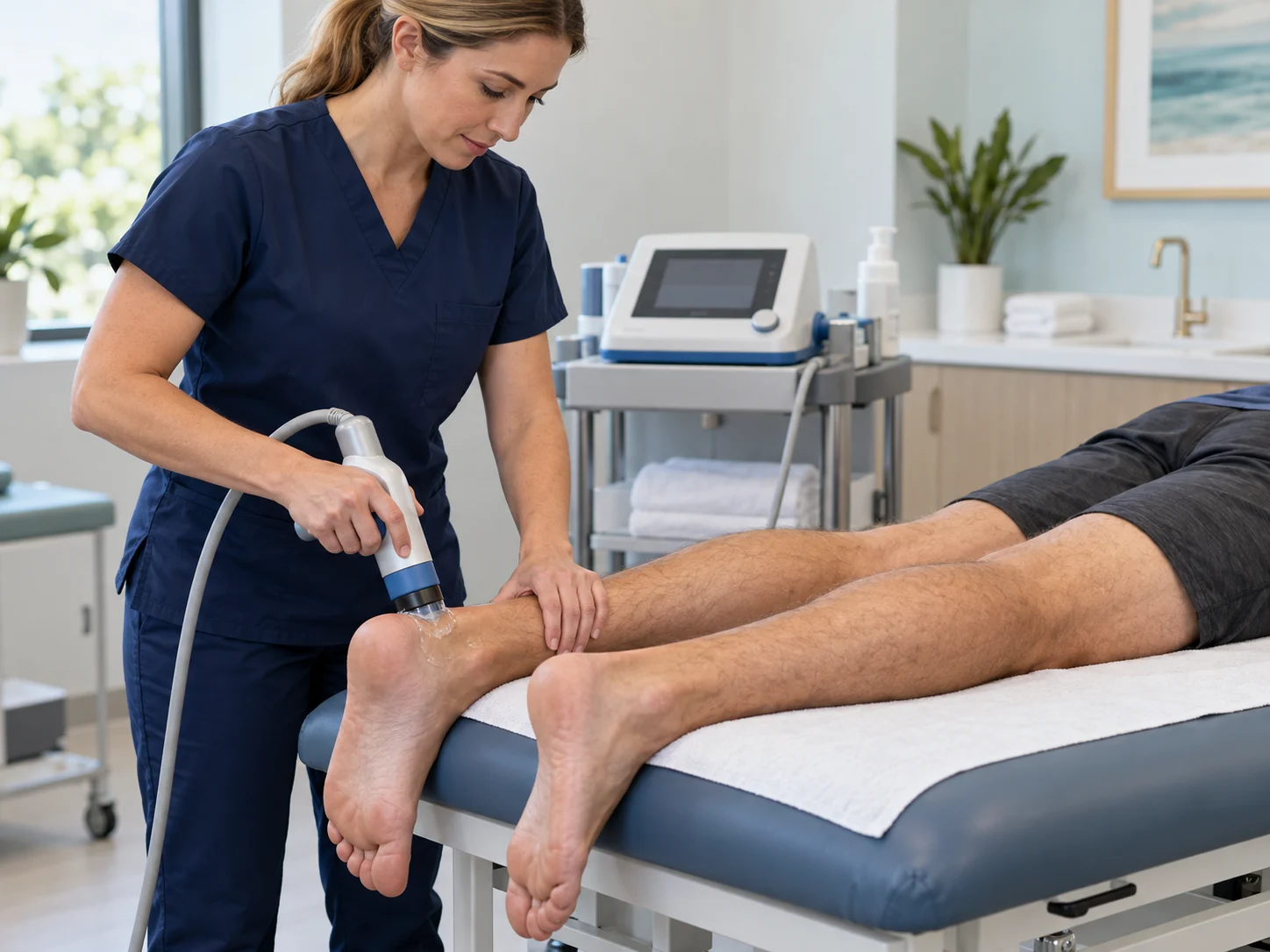
During treatment, a clinician places a handheld applicator against the skin with coupling gel. The device delivers acoustic pressure waves into a selected treatment area. The experience, energy distribution, and clinical use vary by device and treatment protocol.
Focused and radial systems are not identical: they generate and distribute acoustic energy differently. The exact technology and appropriate use of this practice's equipment are determined from device documentation, physician evaluation, and the condition being addressed.
Shockwave therapy is not appropriate for every diagnosis. Evaluation may include examination, review of prior imaging or treatment, and discussion of alternatives.
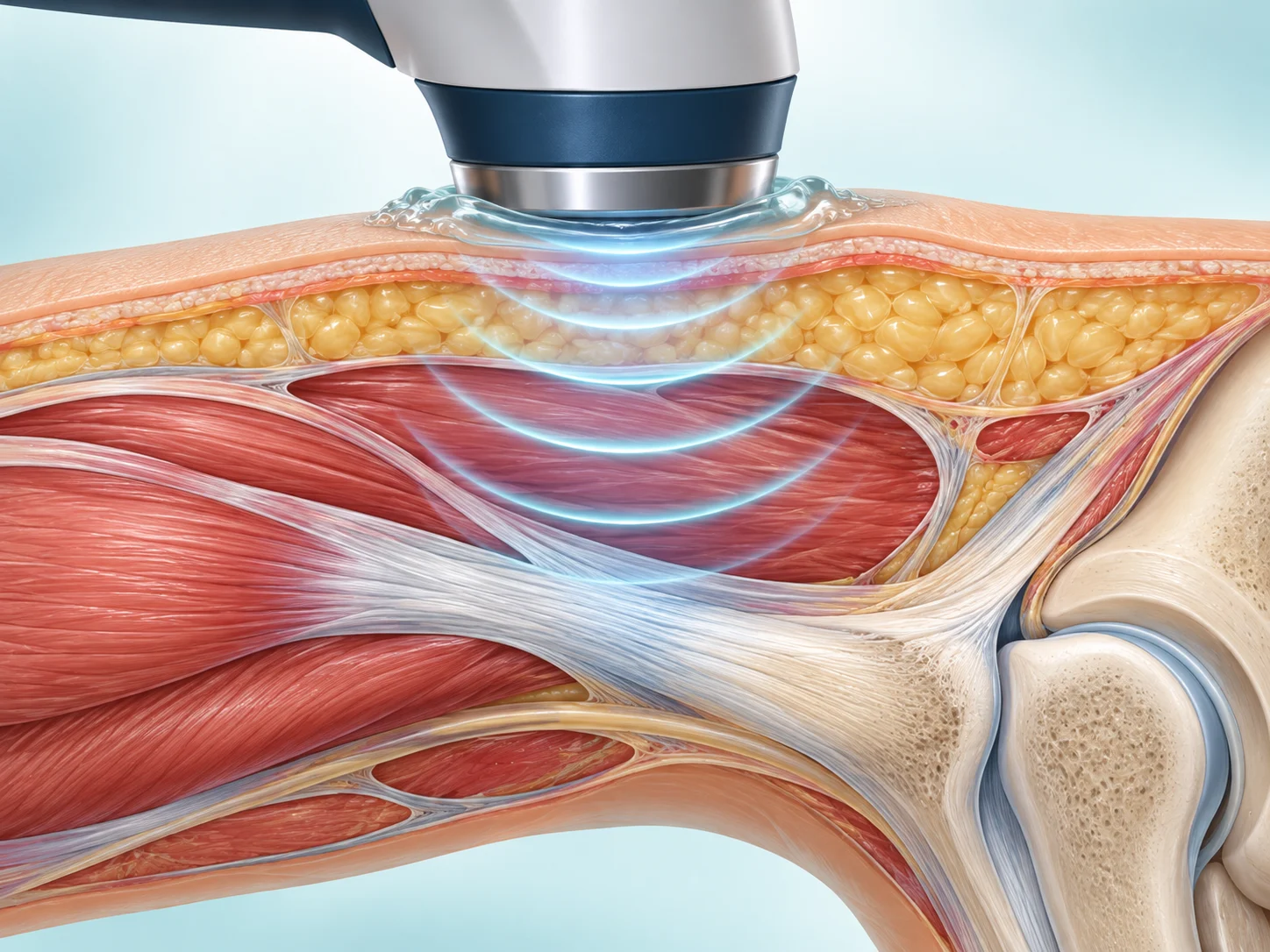
Externally applied pressure waves are directed to a physician-selected treatment area without an incision.
Recommendations account for your diagnosis, health history, symptoms, prior care, and functional goals.
Progress, comfort, and function are reassessed so the plan can be adjusted when clinically appropriate.
A consultation helps clarify the concern being treated, screen for contraindications, and determine whether shockwave therapy or another approach is more appropriate.
When used, shockwave therapy may be one part of a broader plan that can include activity modification, rehabilitation, medication review, or referral.
Clinical appropriateness depends on the specific diagnosis, symptom pattern, examination, and available evidence.
Persistent heel and plantar fascia symptoms may be evaluated after diagnosis and review of prior care.
Selected chronic tendon presentations may be considered within a structured rehabilitation plan.
Lateral elbow tendon symptoms require evaluation to distinguish other possible sources of pain.
Activity-related patellar tendon concerns may be assessed alongside load management and exercise.
Shoulder symptoms have many causes; examination helps identify whether this approach may be relevant.
Other tendon or soft-tissue complaints may be discussed based on diagnosis and clinical evidence.
Shockwave therapy has also been studied or discussed for selected calcific shoulder conditions, greater trochanteric pain, shin splints, myofascial pain, bone-healing concerns, hand conditions, and other musculoskeletal presentations. Evidence and regulatory status vary by condition and device; inclusion here does not mean treatment is routinely recommended or appropriate.
Review symptoms, health history, examination findings, and prior treatments.
Discuss goals, expected experience, alternatives, precautions, and recommended schedule.
Apply coupling gel and deliver clinician-selected acoustic-wave settings to the treatment area.
Reassess tolerance, symptoms, function, and whether the care plan should continue or change.
Review individual visit pricing and package options for physician-guided shockwave therapy care.
Consultation + first treatment
Includes: Initial evaluation and first shockwave treatment session.
Single follow-up session
Best for: Patients continuing care one session at a time.
Package pricing
Includes: Four shockwave therapy treatments as part of a planned course of care.
Extended care package
Includes: Six shockwave therapy treatments for patients following a longer treatment plan.
Sensation during treatment varies with the area and settings. Temporary soreness, redness, bruising, swelling, or altered sensation can occur. The clinician can adjust treatment intensity based on your response.
Screening matters. Pregnancy, bleeding risk, anticoagulant use, infection, tumors in the treatment area, implanted devices, recent procedures, or certain bone and nerve conditions may affect suitability.
Results are not guaranteed. Response varies by diagnosis, chronicity, health factors, and adherence to the broader plan.
Alternatives remain important. Rehabilitation, medication, imaging, injection, specialist referral, or other care may be recommended instead of or alongside shockwave therapy.
It is a noninvasive treatment approach that applies acoustic pressure waves through the skin to a selected musculoskeletal treatment area.
No. The systems generate and distribute energy differently. Device type, settings, indications, and evidence should be considered rather than treating the terms as interchangeable.
People describe the sensation differently. Some areas can be tender, but the clinician can adjust intensity and positioning based on comfort and clinical goals.
Selected chronic tendon and musculoskeletal conditions may be considered after a diagnosis is established. A consultation is necessary because similar symptoms can have different causes.
There is no universal number. Recommendations depend on the diagnosis, response, device and protocol, goals, and whether treatment is part of a broader rehabilitation plan.
Many patients can resume routine activities, but activity guidance varies by condition and response. Temporary soreness can occur, and your clinician will provide individualized instructions.
Temporary soreness, redness, bruising, swelling, or altered sensation may occur. Discuss any unexpected or persistent symptoms with the treating clinician.
Coverage varies by insurer, plan, diagnosis, and policy. The listed fees are practice pricing; patients should confirm benefits directly with their insurer.
A physician-guided evaluation is the appropriate starting point. Your diagnosis, examination, health history, medications, prior treatment, and goals all inform suitability.
Schedule a consultation to review your symptoms, diagnosis, prior care, and treatment goals with a physician-guided team.