
Under-Eye Region
The under-eye area may be evaluated when anatomy and individual risks support discussion of treatment.
A Personalized Approach to Facial Aesthetics
EZ Gel PRF Biofiller is an autologous, blood-derived preparation used in certain aesthetic procedures. Learn how this treatment is prepared, its potential applications, and whether it may be appropriate for your individual goals.
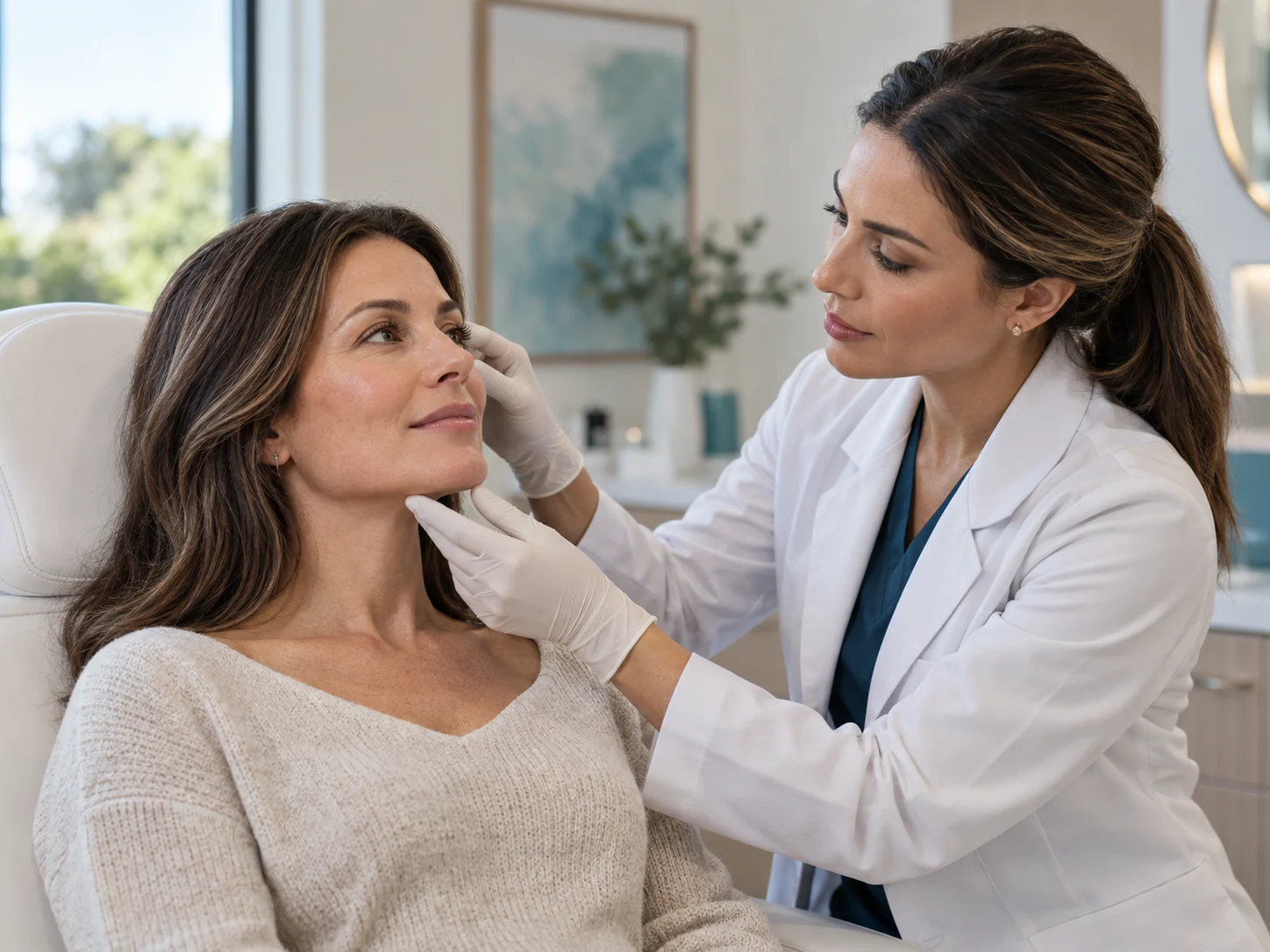
EZ Gel PRF Biofiller is a blood-derived preparation made using specialized processing techniques involving platelet-rich fibrin components. The preparation may include a gel-like fraction and is used by some aesthetic practitioners as an alternative approach to selected injectable treatments.
The precise preparation protocol, properties, and clinical applications vary. Evidence supporting effectiveness and durability remains limited, and EZ Gel PRF is not equivalent to an FDA-approved hyaluronic acid dermal filler.
Important distinction: Patient-derived material does not eliminate procedural risks, and different preparation methods may not produce identical material.
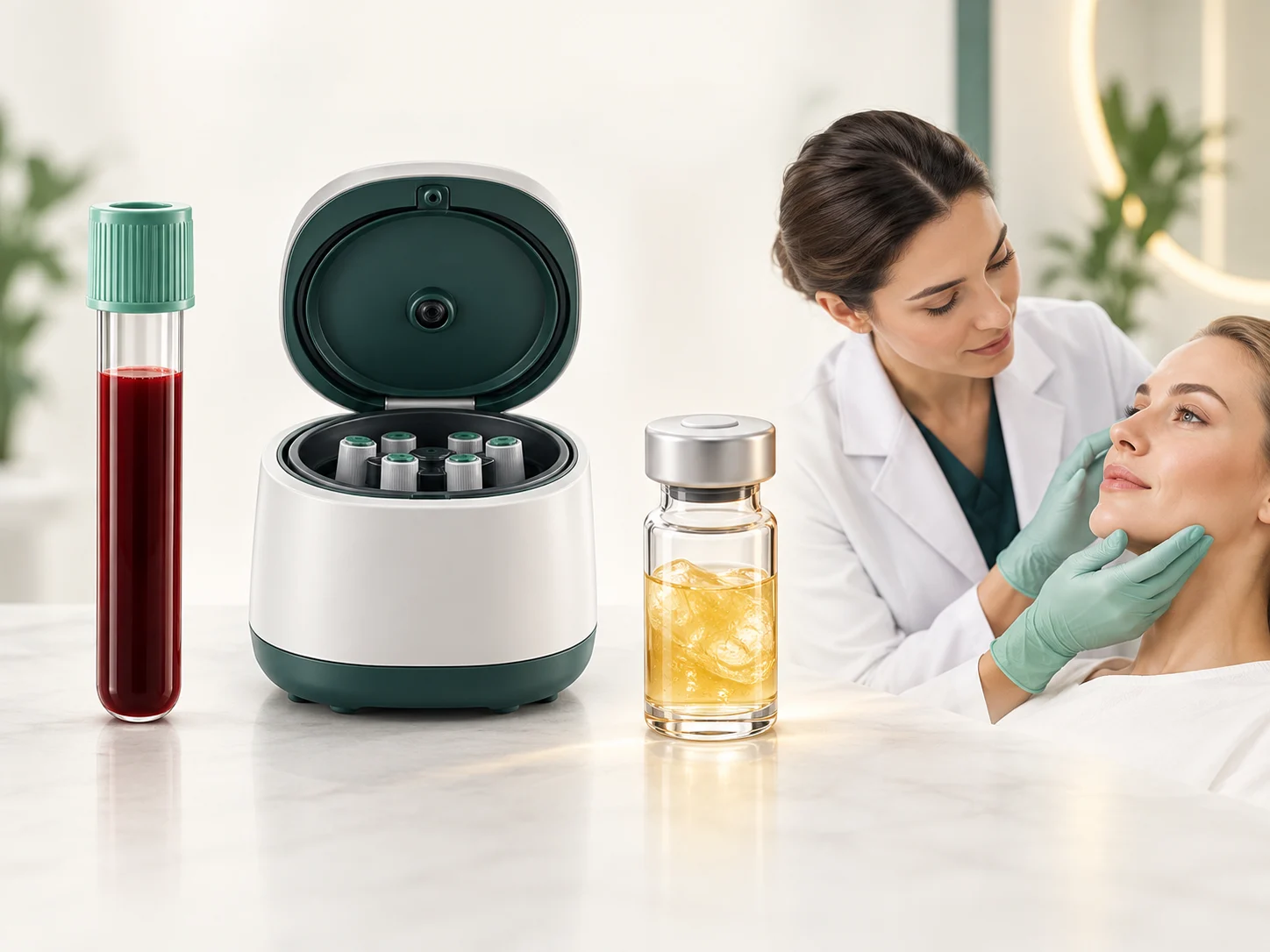
This overview is intentionally general. Exact processing settings and preparation techniques require physician-approved clinical protocols.
A blood sample is collected from the patient.
The sample is processed using a specialized preparation protocol.
Selected blood-derived components are prepared into a gel-like material using the clinician’s established technique.
The clinician evaluates the prepared material and determines whether treatment is appropriate.
Preparation protocols vary; this overview does not imply that every EZ Gel PRF preparation has identical composition or properties.
Potential applications depend on anatomy, medical history, treatment goals, and the clinician’s assessment. No facial area is routinely safe or appropriate for every patient.
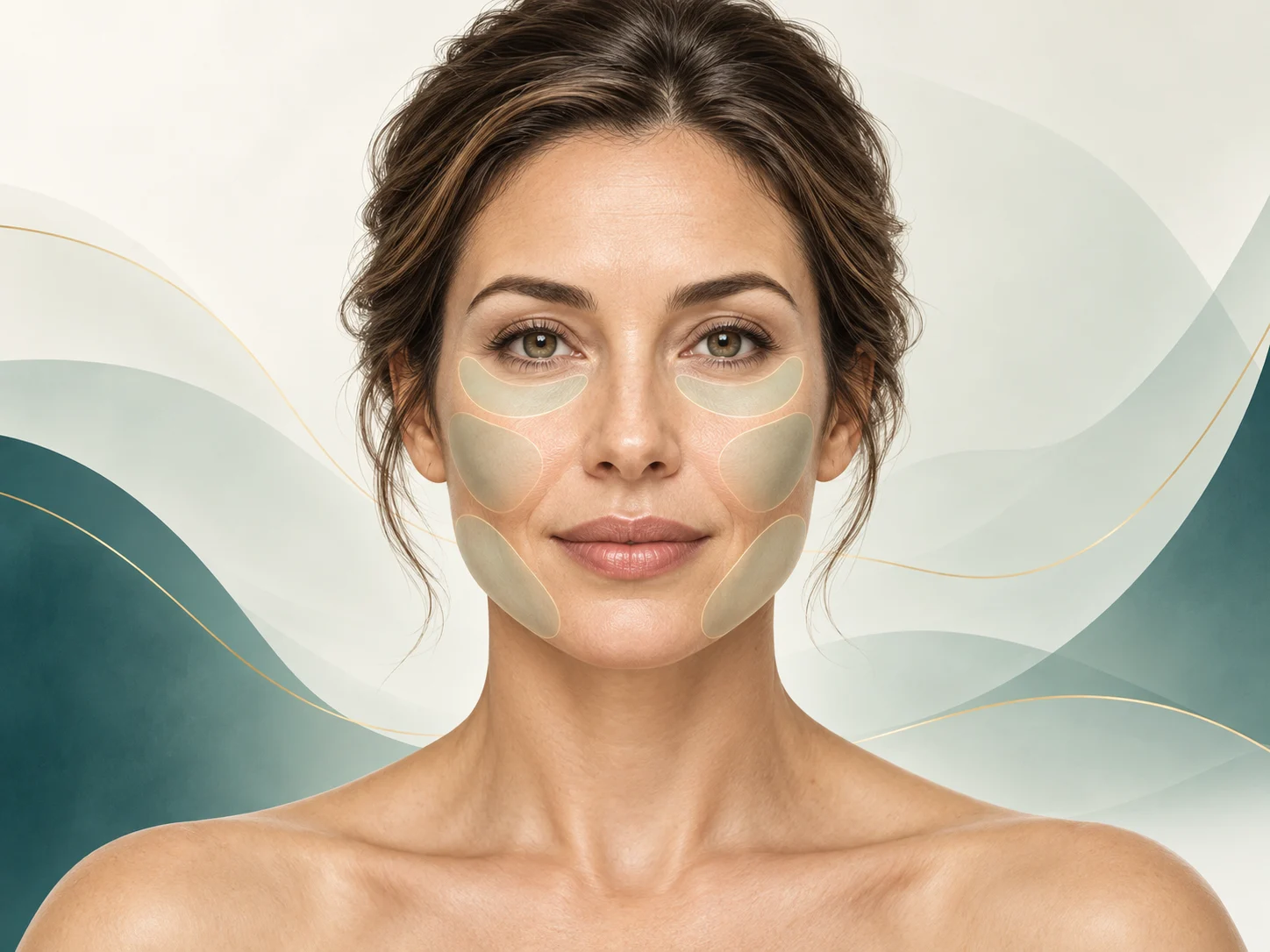
The under-eye area may be evaluated when anatomy and individual risks support discussion of treatment.
Cheeks and other selected facial areas require careful anatomical and clinical assessment.
Areas with skin-texture or volume-related concerns may be considered without promising wrinkle elimination, reliable volume restoration, or permanent rejuvenation.
| Feature | EZ Gel PRF Biofiller | Hyaluronic Acid Filler |
|---|---|---|
| Material | Patient-derived blood components | Manufactured hyaluronic acid gel |
| Preparation | Prepared using a specialized clinical protocol | Supplied as a manufactured product |
| Clinical evidence | Limited and evolving | More extensive for FDA-approved products and indications |
| Duration | Not reliably established | Varies by product and treatment area |
| Reversibility | No established equivalent to hyaluronidase reversal | Some HA fillers may be dissolved using hyaluronidase |
These treatments have different properties, evidence, risks, and regulatory considerations. Patient-derived material should not be assumed safer or more effective simply because it is autologous.
Review medical history and aesthetic goals.
Evaluate facial anatomy and skin.
Discuss available treatment options.
Review potential risks and limitations.
Develop an individualized plan when appropriate.
Temporary swelling, bruising, tenderness, and discomfort may occur. Other risks include infection, inflammatory reactions, irregularities, and unsatisfactory cosmetic results. Facial injections also carry rare but serious vascular risks that can include tissue injury, vision abnormalities, blindness, or stroke.
Clinician training, detailed anatomical knowledge, appropriate patient selection, and individualized informed consent are important. Autologous material does not eliminate adverse effects, and evidence for the effectiveness and long-term safety of EZ Gel PRF Biofiller remains limited.
It is a gel-like, blood-derived preparation made using platelet-rich fibrin components and a clinician’s specialized processing technique. Composition and properties vary by protocol.
EZ Gel uses patient-derived blood components prepared in the clinic. Hyaluronic acid fillers are manufactured products with product-specific evidence, indications, labeling, and regulatory review.
Discomfort varies. Blood collection and facial injection can cause brief pinching, pressure, or tenderness. Available comfort measures can be discussed during consultation.
Duration is not reliably established and may vary with the preparation protocol, treatment area, individual response, and other factors. A specific duration cannot be guaranteed.
There is no universal schedule. Recommendations require individual evaluation and may change based on response, tolerability, goals, and available evidence.
The under-eye region is anatomically sensitive. Use may be discussed only after careful assessment of anatomy, risks, alternatives, and clinician experience; it is not appropriate for everyone.
Possible effects include swelling, bruising, tenderness, discomfort, infection, inflammation, irregularities, unsatisfactory cosmetic results, and rare but serious vascular complications.
Suitability may be affected by medical conditions, active infection or inflammation, bleeding risk, medications, pregnancy status, healing concerns, facial anatomy, or treatment expectations. A clinician must assess individual risk.
Schedule a personalized consultation with Dr. Yanitza Rodriguez to discuss your aesthetic concerns and learn about available treatment options.