
Laboratory Research
Scientists are studying how extracellular vesicles participate in cellular signaling and tissue-related biological processes.
Exploring the Science of Cellular Communication and Skin Health
Exosomes are small extracellular vesicles involved in cellular communication. Researchers are studying their potential roles in skin biology, tissue repair, and aesthetic medicine. Learn about the emerging science, current limitations, and available options for evaluating your skin concerns.
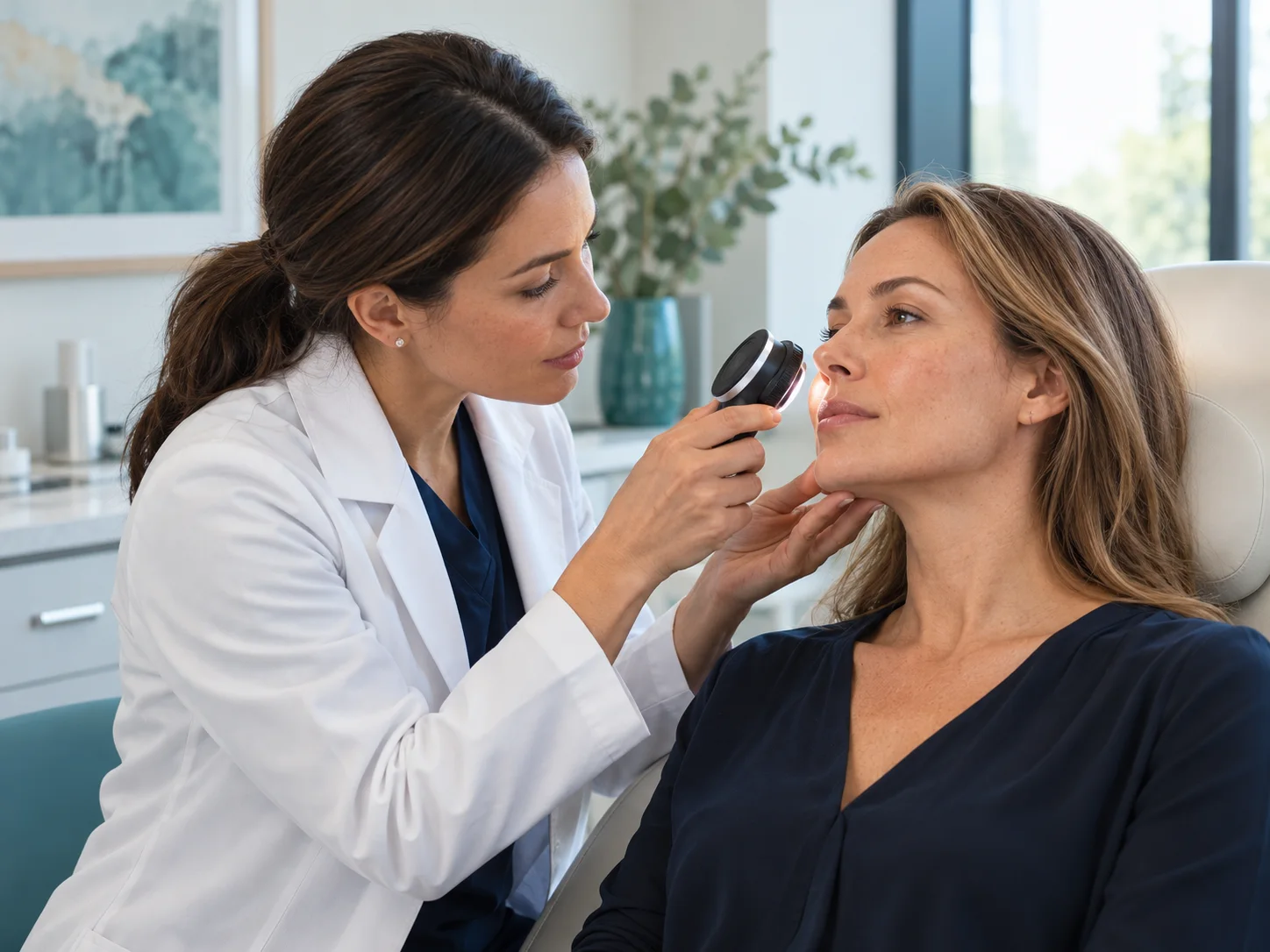
Exosomes are small extracellular vesicles released by cells and studied for their roles in cell-to-cell communication. They can contain proteins, lipids, and nucleic acids.

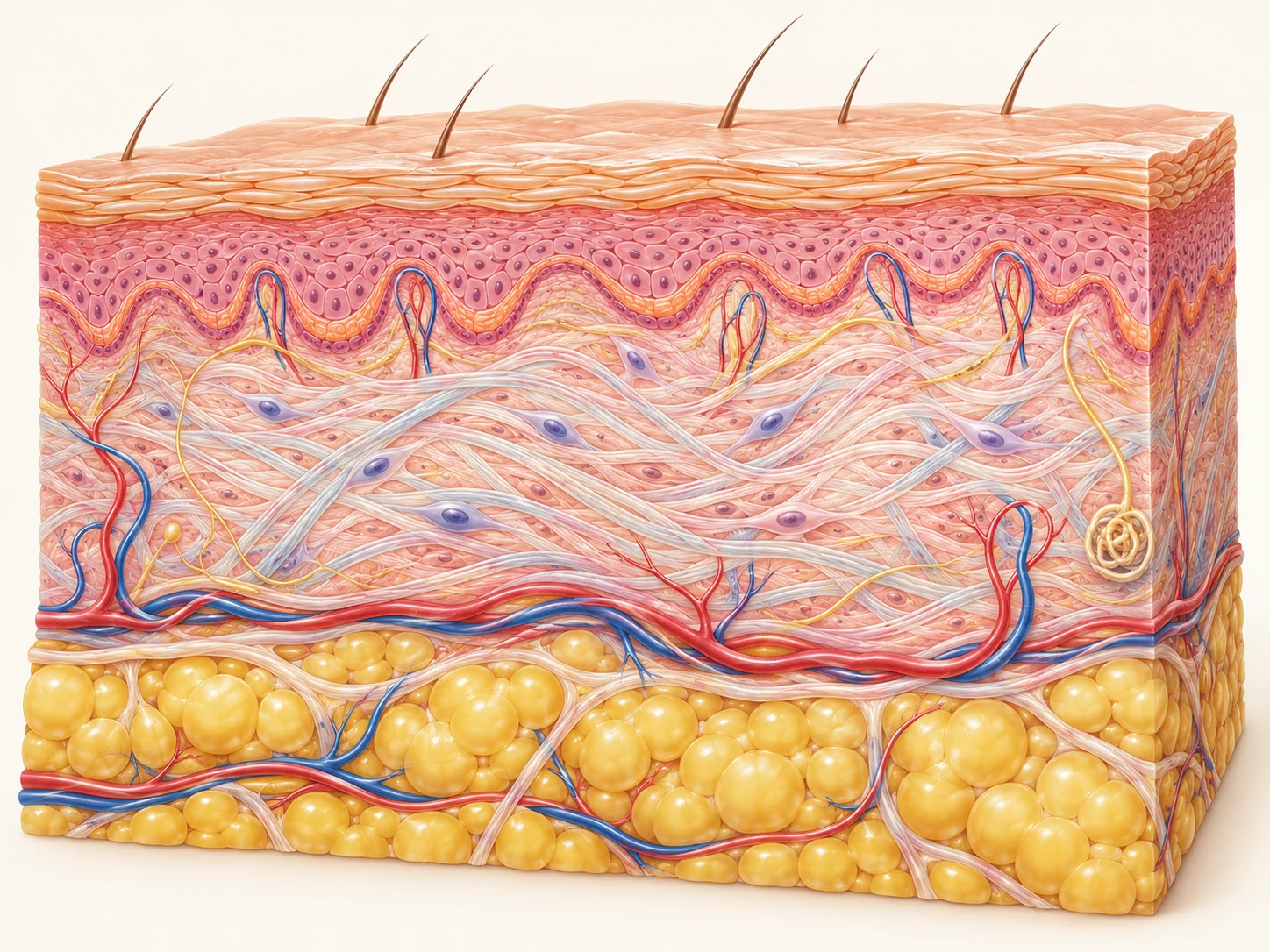
The skin includes the protective epidermis, the supportive dermis, and deeper subcutaneous tissue. Its appearance and function are influenced by aging, sun exposure, genetics, health, and environmental conditions.
Collagen fibers and fibroblasts are important components of the dermis, while the outer skin barrier helps limit moisture loss and environmental exposure.
These biological features do not establish that an investigational exosome preparation can rebuild collagen or reverse skin aging.
Scientists are studying how extracellular vesicles participate in cellular signaling and tissue-related biological processes.
Preliminary studies have explored extracellular-vesicle preparations for certain dermatologic and aesthetic applications.
Evidence remains limited by differences in products, study designs, delivery methods, and outcomes. Long-term safety, effectiveness, and standardized protocols have not been established.
Research into exosome-based skin treatments is ongoing. These approaches are not FDA-approved cosmetic or regenerative therapies.
These concerns are reasons to seek an aesthetic consultation—not established indications for an exosome product.
Discuss available evidence-based aesthetic options.
Treatment depends on the cause and severity of texture changes.
Professional evaluation can identify established treatment approaches.
Individualized skin care and treatment planning can address specific concerns.
Review medical history, skin concerns, and aesthetic goals.
Evaluate skin characteristics, prior treatments, and relevant contraindications.
Review appropriate options, available evidence, and realistic expectations.
Develop a plan based on clinical findings and patient preferences.
There are no FDA-approved exosome products. Preparations can differ substantially in source, manufacturing, purity, and composition. Potential risks include contamination, infection, inflammatory or immune reactions, and unknown long-term effects.
The safety of applying an unapproved exosome preparation to microneedled skin cannot be assumed. Patients should discuss established alternatives with a qualified healthcare professional. This educational page does not provide a protocol or recommendation for administering an investigational product.
Exosomes are a category of small extracellular vesicles released by cells. They may carry proteins, lipids, and nucleic acids involved in cell-to-cell signaling.
No. Exosomes are not cells and cannot reproduce. They are vesicles released by cells and may contain molecular cargo.
No. The FDA states that there are currently no FDA-approved exosome products.
It has not been established that exosome products reverse skin aging. Research is preliminary and cannot be generalized across preparations.
PRP is prepared from a patient's own blood and contains platelets and plasma. Exosome preparations are extracellular-vesicle products and are not interchangeable with PRP.
The safety and effectiveness of applying an unapproved exosome preparation to microneedled skin have not been established and should not be assumed.
Potential concerns include contamination, infection, inflammatory or immune reactions, variable product quality, and unknown long-term effects.
Depending on the concern, options may include individualized skin care, microneedling, chemical peels, laser or energy-based treatments, PRP, or other clinician-recommended approaches.
A consultation can review your history, skin characteristics, prior treatment, goals, contraindications, and the evidence and risks of relevant options.
Schedule a personalized consultation with Dr. Yanitza Rodriguez to discuss your skin concerns, available aesthetic treatments, and realistic expectations.